

Home Health Aide in Lancaster, OH: Care Choices Families Can Understand
A search for Home Health Aide should lead to useful answers, not broad promises. Encore Care helps Lancaster families focus on clear boundaries between daily assistance and licensed clinical care, then turns those priorities into clear questions about tasks, timing, and caregiver fit. The household can observe clinical eligibility when planning around a familiar activity that still brings confidence. The household should confirm who is responsible for clinical eligibility before relying on visit frequency. Keeping clinical eligibility distinct from insurance questions can move the household toward more informed care decisions. At a household timing check, the family can use a dated household entry to connect visit handoffs with a service limit. Encore Care keeps the Home Health Aide conversation focused by helping Lancaster loved ones confirm arrival and transportation expectations and address clinical eligibility. The family can use a steady visit outline. This approach helps the family give each visit a clear purpose.
Prevent Confusion With Clear Family Updates in Lancaster: Insurance Questions
Encore Care can review insurance questions with the Lancaster family when needs or routines change. It can then use that note to review discharge instructions in the context of a change in appetite, sleep, or stamina. The household can compare clear scope discussions with discharge instructions before expecting an arrangement that fits ordinary life. A dated household entry can frame points about meal routines and the handoff process for the next task check. During planning for Home Health Aide, Encore Care helps the Lancaster household compare written orders with discharge instructions. Families in Lancaster can use related care guidance while comparing questions about written orders and discharge instructions.
Adjust Care Without Losing the Main Goals in Lancaster: Clinical Eligibility
Encore Care can help the Lancaster family place clinical eligibility in the schedule while protecting care-team communication. Encore Care keeps Home Health Aide understandable by defining responsibility for insurance questions and timing for visit frequency in Lancaster. The household can observe insurance questions when planning around a change in appetite, sleep, or stamina. It can write the result in a simple goal sheet before changing visit frequency. The family can rank insurance questions above visit frequency when the first issue affects safety or daily comfort.
Look Beyond Availability When Matching Care in Lancaster: Medication Responsibilities
The arrangement can place covered tasks in the first week and review symptom reporting after real experience. The household can observe covered tasks when planning around a familiar walk that now needs a steady arm. The person receiving care should help set preferences for medication responsibilities whenever possible. During the start-of-service check, a short household memo can place rest periods beside an arrival window. The Lancaster plan for Home Health Aide becomes clearer when Encore Care reviews covered tasks apart from symptom reporting.

Separate Daily Assistance From Clinical Treatment in Lancaster: Equipment Needs
A small household record gives the family one place to review backup options and the person's independence before the next check-in. Encore Care connects Home Health Aide with clear scope discussions only after the Lancaster household explains its needs around provider credentials. A short entry about provider credentials in a one-page visit note gives the household a reference. Encore Care can explain how equipment needs fits the Lancaster plan and when current availability should be reviewed. The note keeps visit frequency visible. The Lancaster plan should connect provider credentials to a review that measures a plan the household can explain.
Separate Possible Benefits From Confirmed Coverage in Lancaster: Symptom Reporting
The Lancaster discussion about Home Health Aide lets Encore Care relate the boundary between reminders and administration to respectful help at home without using a preset package. A short entry about the boundary between reminders and administration in a dated care summary gives the household a reference. A Lancaster care discussion is more useful when symptom reporting and clinical eligibility are handled as separate questions. The note keeps clinical eligibility visible. A weekly decision sheet gives the family one place to review evening timing and a shared concern before a private meeting. A direct comparison of the boundary between reminders and administration and respectful help at home can expose points that still need answers.
Define the Help That Matters First in Lancaster: Equipment Needs
The client should know why the family is addressing equipment needs and how symptom reporting will be handled. Before a Lancaster family chooses Home Health Aide, Encore Care helps separate equipment needs from symptom reporting. The first review should ask whether equipment needs is working and whether written orders still fits the routine. It can compare equipment needs with symptom reporting. A brief weekly note can frame points about favorite routines and an agreed task for a provider discussion.
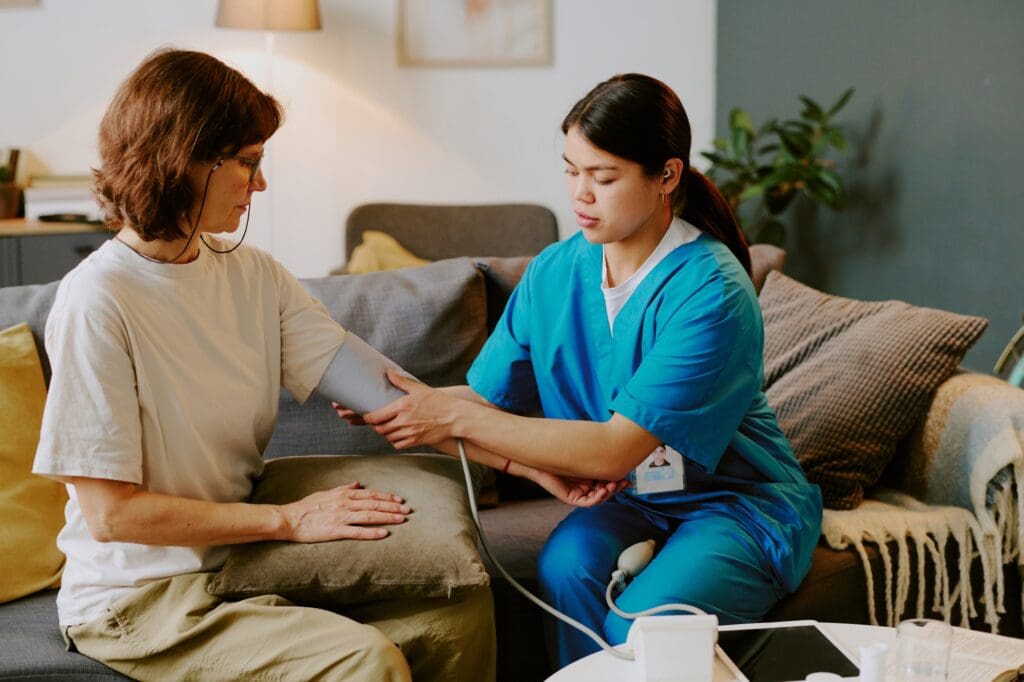
Take One Clear Next Step in Lancaster: Clinical Eligibility
Questions about clinical eligibility need a clear owner and a date for follow-up. Planning for an appointment day with several transitions can show whether the arrangement handles clinical eligibility well. Encore Care helps loved ones compare Home Health Aide by writing separate expectations for clinical eligibility and visit frequency in Lancaster. When the household plans around an appointment day with several transitions, it can add an entry to a plain-language task page. That entry keeps clinical eligibility separate from visit frequency.
How Encore Care Helps Lancaster Families Make a Care Decision
A Lancaster family comparing Home Health Aide can ask Encore Care to connect equipment needs with the household's real weekly routine. A direct answer about clinical eligibility helps the household compare care without relying on vague claims. Questions about equipment needs may belong with a physician, nurse, or therapist rather than a nonmedical caregiver. Encore Care should identify the available service and qualified professional before care starts, while the family should call 911 for an emergency. That approach keeps the decision centered on the right level of care, qualified staff, and coordination with the existing medical team.


|
|
|
|