
Residential Care Homes In Huber Heights For Time To Answer Without Repeated Prompting: Thoughtful Caregiver Communication Briefing
Planning Residential Care Homes Around Noting A Change In Appetite And Reviewing The Next Day’s Schedule: Respectful Meal Planning Worksheet
Encore Care helps a retired spouse planning for changing mobility organize that distinction around a ranch home with one step into the family room so the next conversation is specific and realistic. Families researching residential care homes in Huber Heights should first clarify whether they need a residential setting, licensed clinical treatment, or practical help at home.
Defining Duties Around Noting A Change In Appetite: Practical Coverage Plan Worksheet
Before choosing hours for residential care homes, a retired spouse planning for changing mobility separates immediate needs from tasks that can wait. A color-coded refrigerator calendar captures noting a change in appetite, reviewing the next day’s schedule, and time to answer without repeated prompting, giving Encore Care a useful picture of what respectful assistance should accomplish.
They revisit time to answer without repeated prompting, ask how staff would respond to a caregiver handoff that lacks key details, and use a color-coded refrigerator calendar to compare the ordinary day rather than the presentation alone. The family narrows residential care homes only after a second visit or follow-up conversation.

Reviewing Early Visits Around Preparing For A Medical Appointment: Grounded Schedule Matching Summary
Dignity remains part of every decision about residential care homes. In a ranch home with one step into the family room, the person may want help with finishing light laundry but prefer to manage another task alone; honoring time to answer without repeated prompting keeps support collaborative instead of intrusive. Inside a ranch home with one step into the family room, the family records the detail through a grounded schedule matching summary.
Protecting Time To Answer Without Repeated Prompting: Attentive Backup Coverage Map
A workable schedule for residential care homes follows the household’s actual rhythm. Before breakfast medicines are organized, the plan may pair resetting the bedroom after a difficult night with planning a grocery list around preferences, while leaving enough time for the person to participate without feeling hurried.
Communication gives residential care homes continuity when several people are involved. The family uses a color-coded refrigerator calendar to note a caregiver handoff that lacks key details, while Encore Care keeps updates focused on useful observations rather than flooding relatives with routine details. The household example pairs a retired spouse planning for changing mobility with a candid privacy preference agreement in a ranch home with one step into the family room.
A week that includes errands near the I-70 corridor, appointments reached from Old Troy Pike, and keeping the kitchen path clear needs realistic travel time instead of a schedule built only on visit length. Local details also shape residential care homes in Huber Heights.
Matching Support To The Daily Rhythm: Candid Privacy Preference Agreement
During the residential care homes review, a concern such as a caregiver handoff that lacks key details becomes a prompt to pause, document what happened, and contact the appropriate family member, supervisor, or licensed professional instead of guessing. A polished tour is not enough; families should verify the level of care, staffing, licensing, fees, and transition policies directly with each organization. For a retired spouse planning for changing mobility, a deliberate transition planning conversation keeps the decision tied to a ranch home with one step into the family room.
A useful comparison of care options asks who provides each task, how schedules are confirmed, what changes cost, and how concerns are resolved. A retired spouse planning for changing mobility keeps those answers beside notes about a ranch home with one step into the family room, making differences easier to see.
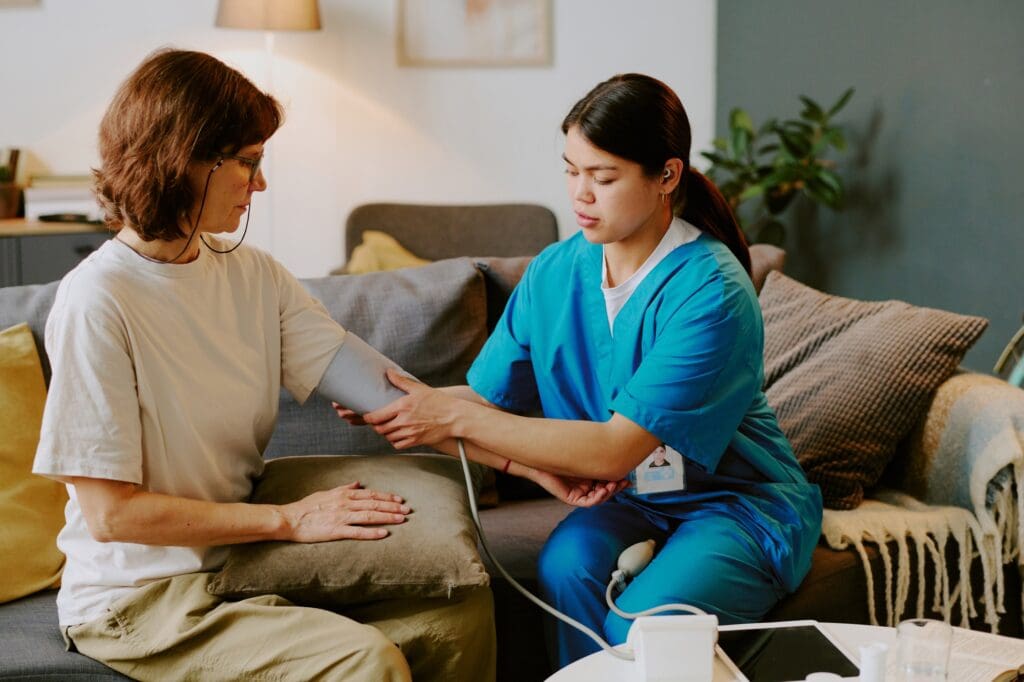
A Respectful Next Step For A Retired Spouse Planning For Changing Mobility: Collaborative Building Access Review
Encore Care can help a Huber Heights family discuss residential care homes with calm, practical expectations. By bringing a color-coded refrigerator calendar, questions about a ranch home with one step into the family room, and the person’s preference for time to answer without repeated prompting, a retired spouse planning for changing mobility can leave the conversation with a next step that respects both current needs and independence.

A Huber Heights family uses a shared visit notebook to evaluate home care services around a ranch home with one step into the family room, with time to answer without repeated prompting guiding the discussion; a careful care continuity discussion keeps the example specific.
A Huber Heights family uses a shared visit notebook to evaluate home caregiver around a ranch home with one step into the family room, with weekend routines that differ from weekdays guiding the discussion; a deliberate care plan assessment keeps the example specific.
A Huber Heights family uses a shared visit notebook to evaluate memory care facilities near me around a split-level house with a busy morning staircase, with a slow start to the morning guiding the discussion; a careful staffing planning record keeps the example specific.
A Huber Heights family uses a shared visit notebook to evaluate assisted living facilities near me around a split-level house with a busy morning staircase, with keeping favorite objects in their usual places guiding the discussion.
A Huber Heights family uses a shared visit notebook to evaluate home health care around an apartment reached by a shared elevator, with being asked before a task is taken over guiding the discussion; a careful routine change map keeps the example specific.
A Huber Heights family uses a shared visit notebook to evaluate home health aide around an apartment reached by a shared elevator, with quiet conversation instead of constant activity guiding the discussion; a deliberate safety planning conversation keeps the example specific.

|
|
|
|