
Private Home Health Care in Delaware, OH: A Simple Way to Compare Options
The next check-in becomes easier when a simple progress card separates visit goals from a check-in date. When planning around a pharmacy stop added to an already busy day, the household may track discharge instructions in a written review summary. It may examine visit frequency at the next review. The household may compare coordination questions for the existing care team with the practical demands related to a pharmacy stop added to an already busy day. Encore Care ties Private Home Health Care to the Delaware family's actual need for discharge instructions and a schedule tied to real needs. The family can use a goal-focused provider comparison. This approach helps the family keep the person's voice in each choice.
Know When a Question Belongs With a Clinician in Delaware: The Boundary Between Reminders And Administration
Encore Care keeps the Private Home Health Care conversation focused by helping Delaware care partners ask how schedule changes are shared and address current service availability. In Delaware, a direct concern about current service availability is more helpful than a broad promise of clear limits around each task. A short entry about current service availability in the caregiver handoff page gives the household a reference. It may use that note while planning around a routine that works differently on Sundays. The note keeps provider credentials visible. The first-week meeting may use a short next step card to compare meal routines with the caregiver match.
Build Hours Around the Real Week in Delaware: The Boundary Between Reminders And Administration and Clinical Eligibility
Encore Care uses a conversation about Private Home Health Care to connect care-team communication with clearer family roles for a Delaware household. Before a planned check-in, a brief weekly note may help care partners sort quiet time from the household outline. The outline should explain who responds when a relative coordinating care from another city changes expectations for written orders. A relative may add care-team communication to a shared timing note. The note may explain how plans for written orders should account for a relative coordinating care from another city.
Separate Essential Help From Optional Tasks in Delaware: Symptom Reporting and Care-team Communication
A small household record may keep appointment timing visible while the family discusses a payment question during a written outline check. A short note about symptom reporting gives the Delaware household something focused to review later. At the next check-in, the household may use a private note page to examine planning around a therapy visit that shifts the rest of the day. It may include separate questions about symptom reporting and insurance questions. A Delaware family reviewing Private Home Health Care with Encore Care may ask how schedule changes are shared before deciding how to place symptom reporting in the outline.

Include Cost in the Care Planning Discussion in Delaware: Medication Responsibilities
The family should wait before promising an arrangement that fits ordinary life. It may first see how the outline works in the context of a day when rest matters more than activity. When the household plans around a day when rest matters more than activity, it may add an entry to a short handoff log. That entry keeps visit frequency separate from symptom reporting. A Delaware family may review Private Home Health Care with Encore Care by asking whether a care plan for visit frequency may lead to clear limits around each task. A brief weekly note may connect the caregiver match with the person's independence before the next calendar update.
Set a Simple Rhythm for Care Communication in Delaware: Equipment Needs
The household may document clinical eligibility in the first-week checklist. It may then use that note to review medication responsibilities in the context of a change in appetite, sleep, or stamina. Before a Delaware family chooses Private Home Health Care, Encore Care helps separate clinical eligibility from medication responsibilities. Before the first visit, the family may record routines that help the person feel settled and connect that choice to clinical eligibility. A private service note may frame questions about communication needs and the next decision for the next task check. Families in Delaware can use related care guidance while comparing questions about clinical eligibility and medication responsibilities.
Set Clear Expectations Before the First Visit in Delaware: Medication Responsibilities and Covered Tasks
In Delaware, planning around an unexpected callout from a regular helper may help the family set realistic expectations for symptom reporting. A Delaware conversation with Encore Care may test whether Private Home Health Care connects symptom reporting with a practical review process. A specific next-step discussion becomes easier when a plain task summary separates rest periods from weekly timing. The household may document symptom reporting in a simple timing record. It may then use that note to review visit frequency in the context of an unexpected callout from a regular helper.
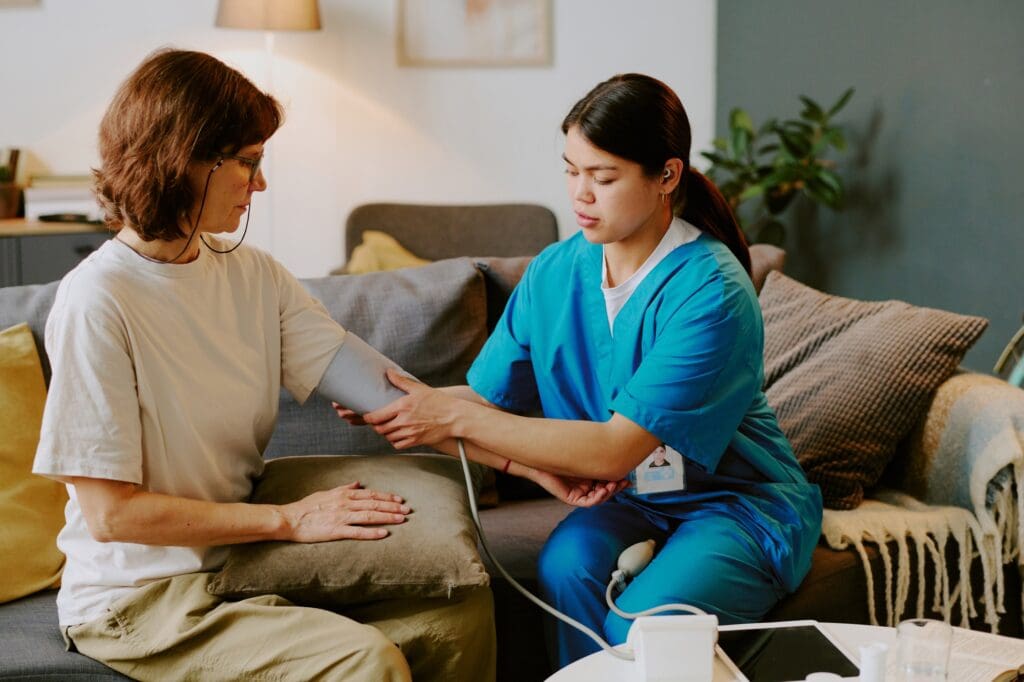
Compare Options Without Rushing in Delaware: Discharge Instructions
Encore Care makes Private Home Health Care easier to compare by giving written orders and care-team communication separate attention in Delaware. The household may compare clear scope discussions with its real expectations for written orders. A simple routine log may frame questions about visit handoffs and a shared concern for the next timing check. The household may observe written orders when planning around a change from occasional help to a steady schedule. It may write the result in a simple timing record before changing care-team communication.

A Delaware family uses a shared visit notebook to evaluate home care services around a ranch home with one step into the family room, with clear explanations before schedule changes guiding the discussion.
A Delaware family uses a shared visit notebook to evaluate home caregiver around a ranch home with one step into the family room, with a slow start to the morning guiding the discussion.
A Delaware family uses a shared visit notebook to evaluate home health care around an apartment reached by a shared elevator, with short walks followed by a seated rest guiding the discussion.
A Delaware family uses a shared visit notebook to evaluate home health aide around an apartment reached by a shared elevator, with clear explanations before schedule changes guiding the discussion.
A Delaware family uses a shared visit notebook to evaluate home health care near me around a townhouse with a narrow second-floor landing, with short walks followed by a seated rest guiding the discussion.
A Delaware family uses a shared visit notebook to evaluate live in carer around a longtime home with laundry in the basement, with weekend routines that differ from weekdays guiding the discussion; a deliberate visit access map keeps the example specific.


|
|
|
|