
Caregiver Shift Staffing In Delaware For Quiet Conversation Instead Of Constant Activity: Thoughtful Meal Preference Agreement
Planning Caregiver Shift Staffing Around Setting Out Supplies For Personal Care And Settling Into An Evening Routine: Respectful Home Access Review
The review begins with a team that relies on several part-time caregivers, not a broad promise that every open assignment can be filled the same way. For a recruiter comparing applicant follow-through, caregiver shift staffing in Delaware is most useful when it is evaluated through coverage reliability, caregiver qualifications, scheduling handoffs, escalation rules, worker fit, and measurable follow-through. A recruiter comparing applicant follow-through uses a caregiver handoff journal to connect that decision to a team that relies on several part-time caregivers during a thoughtful meal preference agreement.
Protecting Quiet Conversation Instead Of Constant Activity: Practical Appointment Planning Conversation
A reliable caregiver shift staffing process considers more than availability. A recruiter comparing applicant follow-through also reviews communication style, relevant experience, travel limits, and the worker’s understanding of a team that relies on several part-time caregivers, documenting the match in a caregiver handoff journal.
Local logistics influence caregiver shift staffing in Delaware. Travel between the US 23 corridor and Sandusky Street, parking, shift timing, and backup distance should be considered before a worker is offered an assignment that cannot be reached reliably. The branch returns to a team that relies on several part-time caregivers, using a practical appointment planning conversation to compare the next staffing change.

Planning Travel Near The US 23 Corridor: Grounded Evening Routine Check
The schedule test for caregiver shift staffing focuses on the period during the first hour after waking, when a late handoff can affect several assignments. In this review, the team maps travel, readiness, and supervisor availability so a team that relies on several part-time caregivers is addressed before the next coverage request arrives.
Using a caregiver handoff journal keeps the scope tied to setting out supplies for personal care and settling into an evening routine instead of an abstract headcount. Before comparing caregiver shift staffing, the team writes down which shifts are open, which skills are required, who approves a match, and how a cancellation is escalated.
Matching Support To The Daily Rhythm: Attentive Routine Change Check
The branch tracks response time, completed handoffs, worker fit, and supervisor effort during the first hour after waking, then reviews the evidence before expanding the arrangement. A limited pilot can show whether caregiver shift staffing performs under real pressure. This agency example pairs a recruiter comparing applicant follow-through with a candid short-notice coverage outline inside a team that relies on several part-time caregivers.
A staffing resource should complement, not replace, the agency’s credentialing, supervision, compliance, and client-care responsibilities. During the caregiver shift staffing review, a concern such as a task that now takes much longer becomes a prompt to pause, document what happened, and contact the appropriate family member, supervisor, or licensed professional instead of guessing. A recruiter comparing applicant follow-through uses a caregiver handoff journal to connect that decision to a team that relies on several part-time caregivers during a collaborative household comfort discussion.
Defining Duties Around Setting Out Supplies For Personal Care: Candid Short-Notice Coverage Outline
When comparing caregiver shift staffing, the agency asks how candidates are screened, how quickly gaps are acknowledged, what happens after a poor match, and which performance information is available. A recruiter comparing applicant follow-through records those answers beside a team that relies on several part-time caregivers for a fair comparison.
One coordinator confirms the assignment, one supervisor handles concerns, and a caregiver handoff journal records meaningful changes, preventing a task that now takes much longer from disappearing between messages. Clear ownership makes staffing easier to manage. The branch returns to a team that relies on several part-time caregivers, using a thoughtful meal preference agreement to compare the next staffing change.
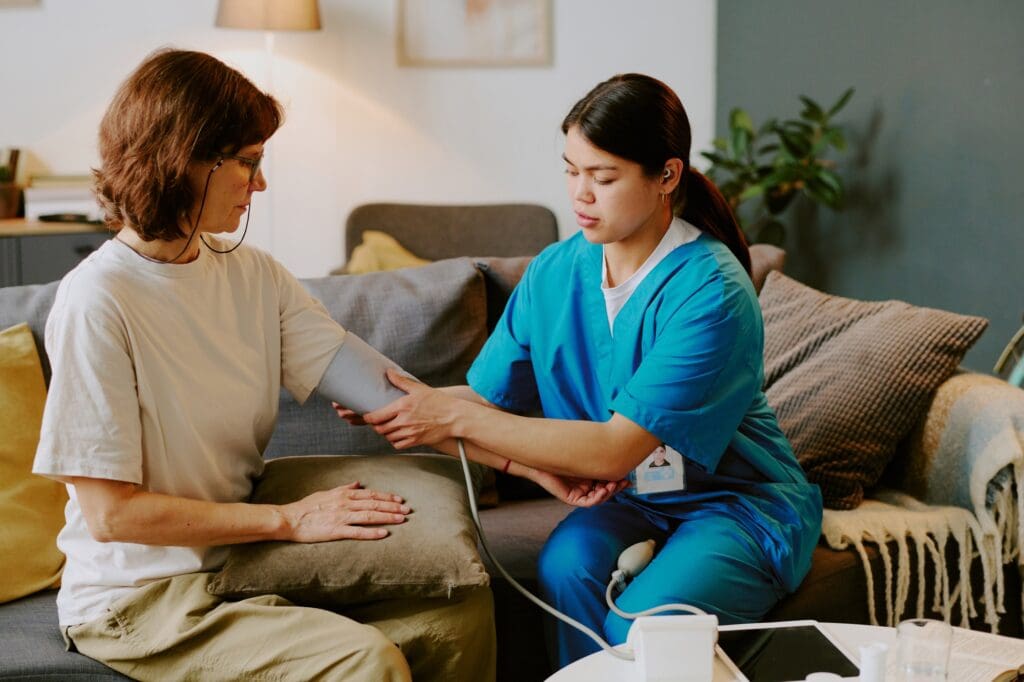
A Respectful Next Step For A Recruiter Comparing Applicant Follow-Through: Collaborative Household Comfort Discussion
Encore Care can discuss caregiver shift staffing with Delaware organizations that want a clearer coverage process. A focused conversation about a team that relies on several part-time caregivers, decision ownership, worker fit, and measurable expectations helps a recruiter comparing applicant follow-through choose the next step without overstating what one resource can solve. Within a team that relies on several part-time caregivers, the branch records the detail through a respectful home access review.

A Delaware family uses a shared visit notebook to evaluate home care services around a ranch home with one step into the family room, with clear explanations before schedule changes guiding the discussion.
A Delaware family uses a shared visit notebook to evaluate home caregiver around a ranch home with one step into the family room, with a slow start to the morning guiding the discussion.
A Delaware family uses a shared visit notebook to evaluate memory care facilities near me around a split-level house with a busy morning staircase, with weekend routines that differ from weekdays guiding the discussion; a deliberate privacy preference agreement keeps the example specific.
A Delaware family uses a shared visit notebook to evaluate assisted living facilities near me around a split-level house with a busy morning staircase, with choosing meals before anyone begins cooking guiding the discussion; a careful role matching conversation keeps the example specific.
A Delaware family uses a shared visit notebook to evaluate home health care around an apartment reached by a shared elevator, with short walks followed by a seated rest guiding the discussion.
A Delaware family uses a shared visit notebook to evaluate home health aide around an apartment reached by a shared elevator, with clear explanations before schedule changes guiding the discussion.

|
|
|
|